Seals, Squirels, Birds and more – The Scilly Isles

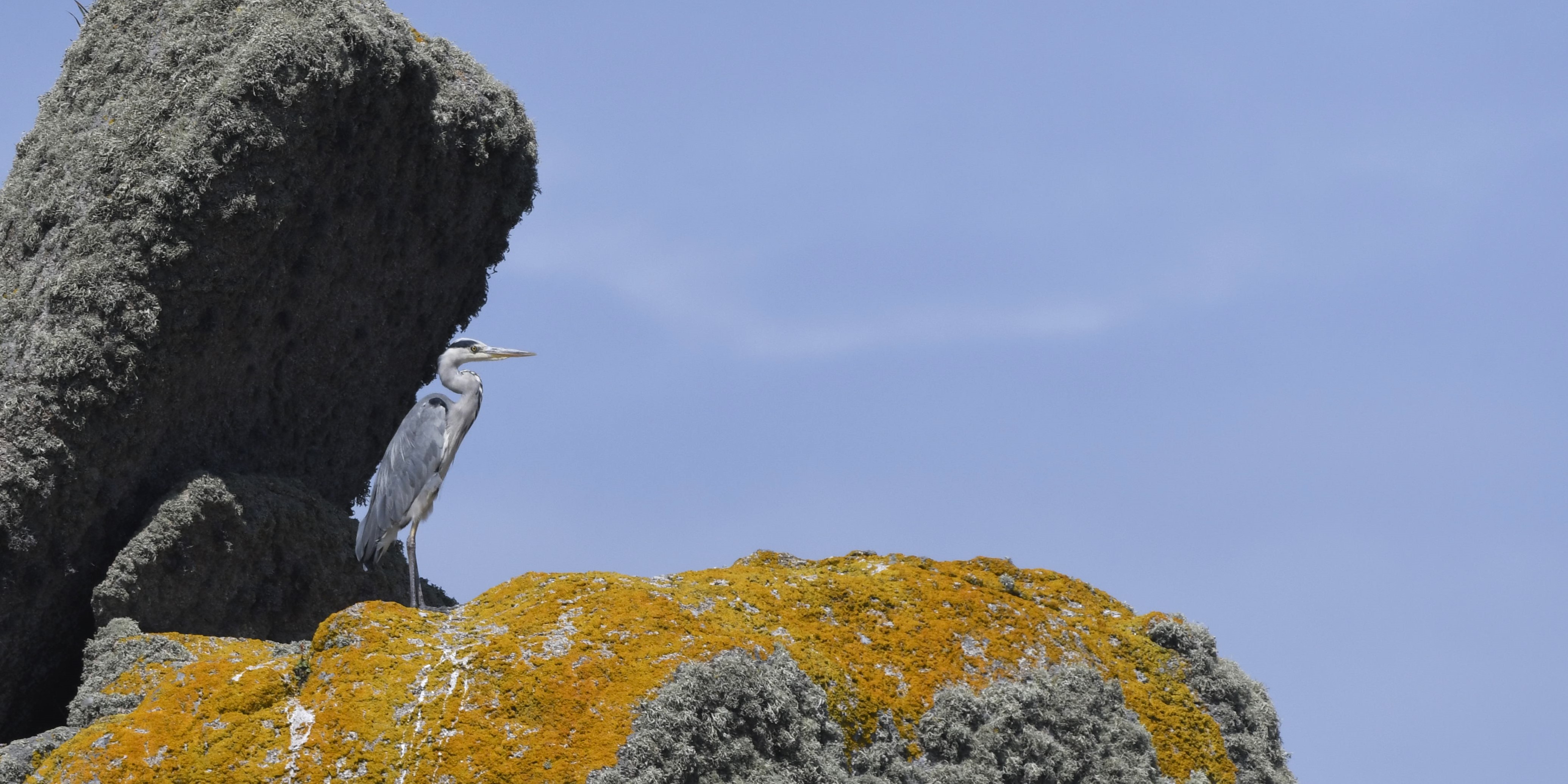
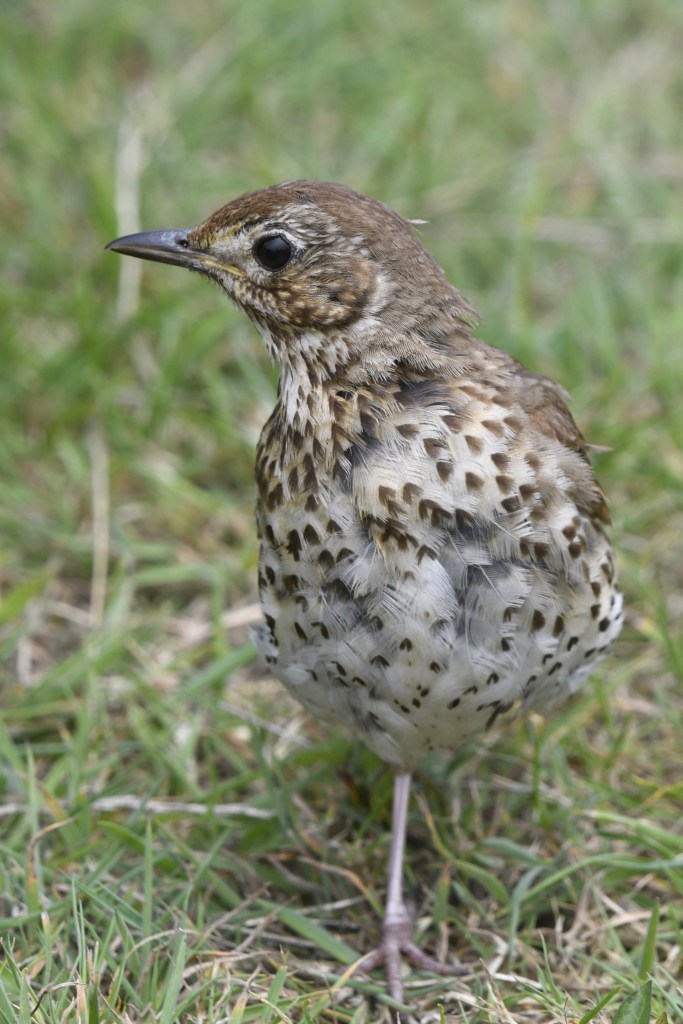
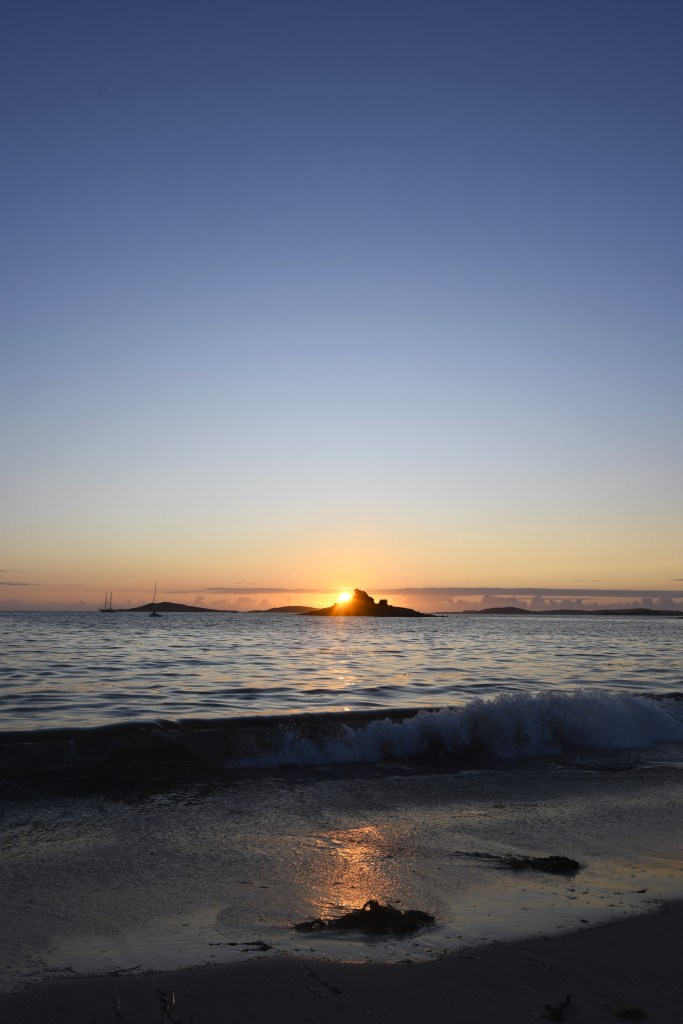
An action packed 2 weeks on the Scilly Isles! These must be the remote part of the British Isles, a 3 hour ferry ride from Cornwall, but it really is a wothwhile trip. It is also quite and expensive place to visit, both for accomodation and sustenance (I challenge to find a coffee for less than £4!)., but there is an abundance of wildife to see.

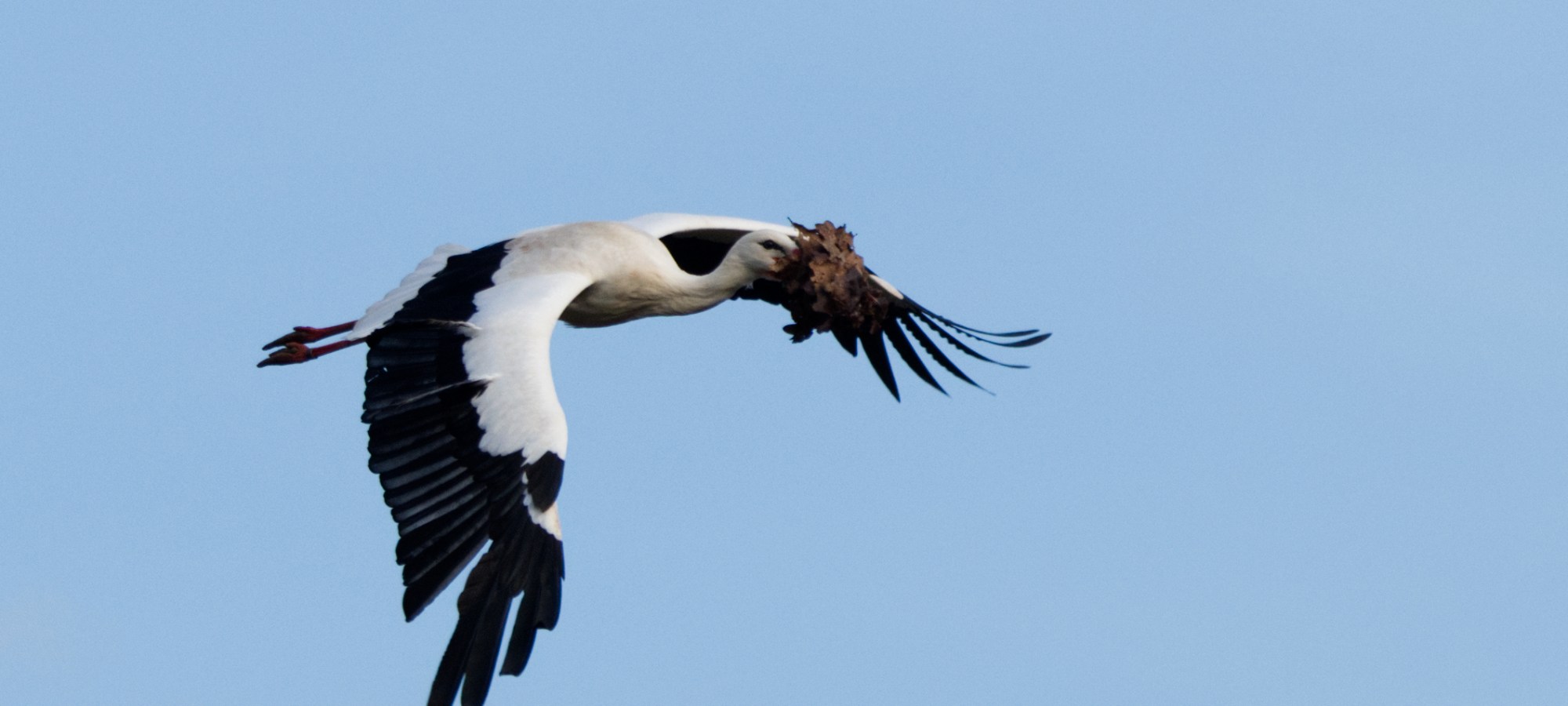
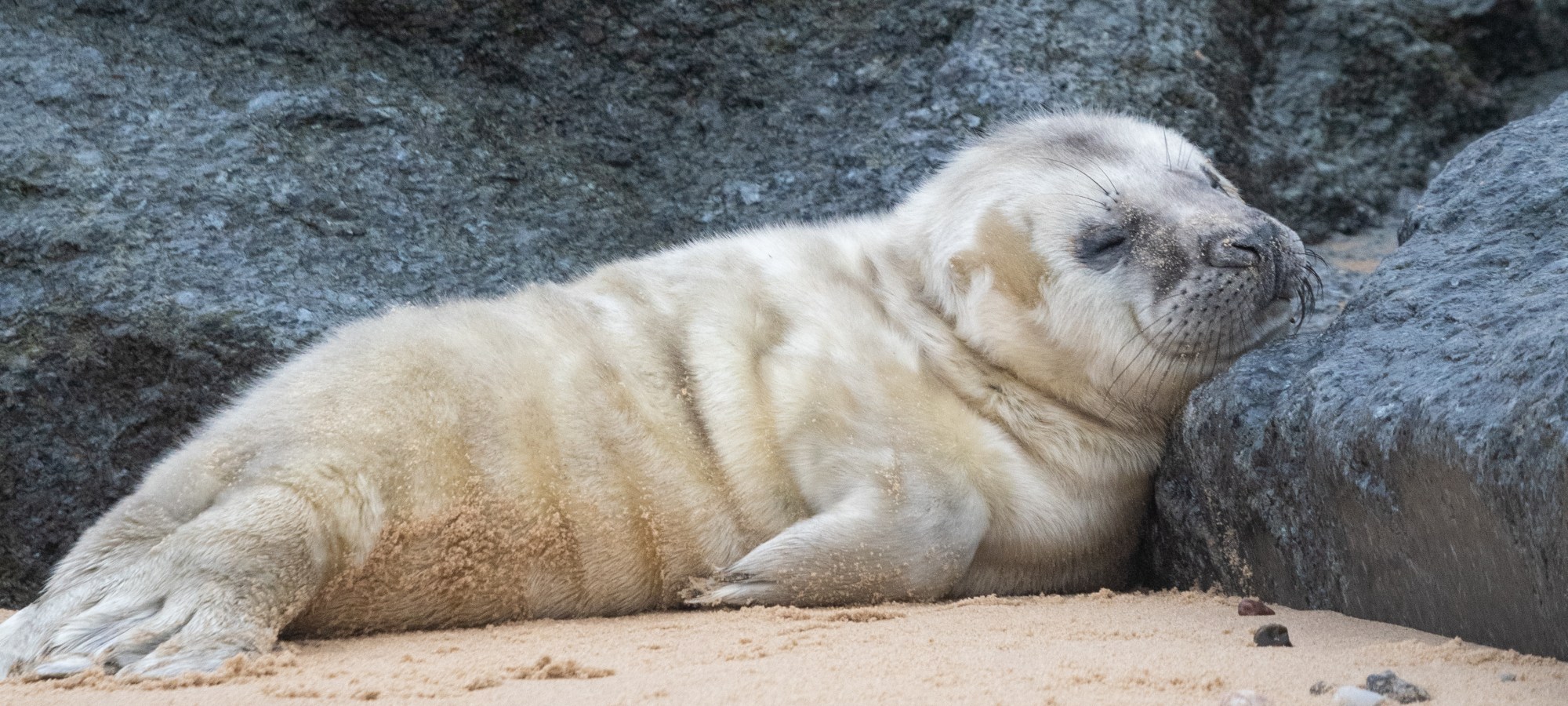
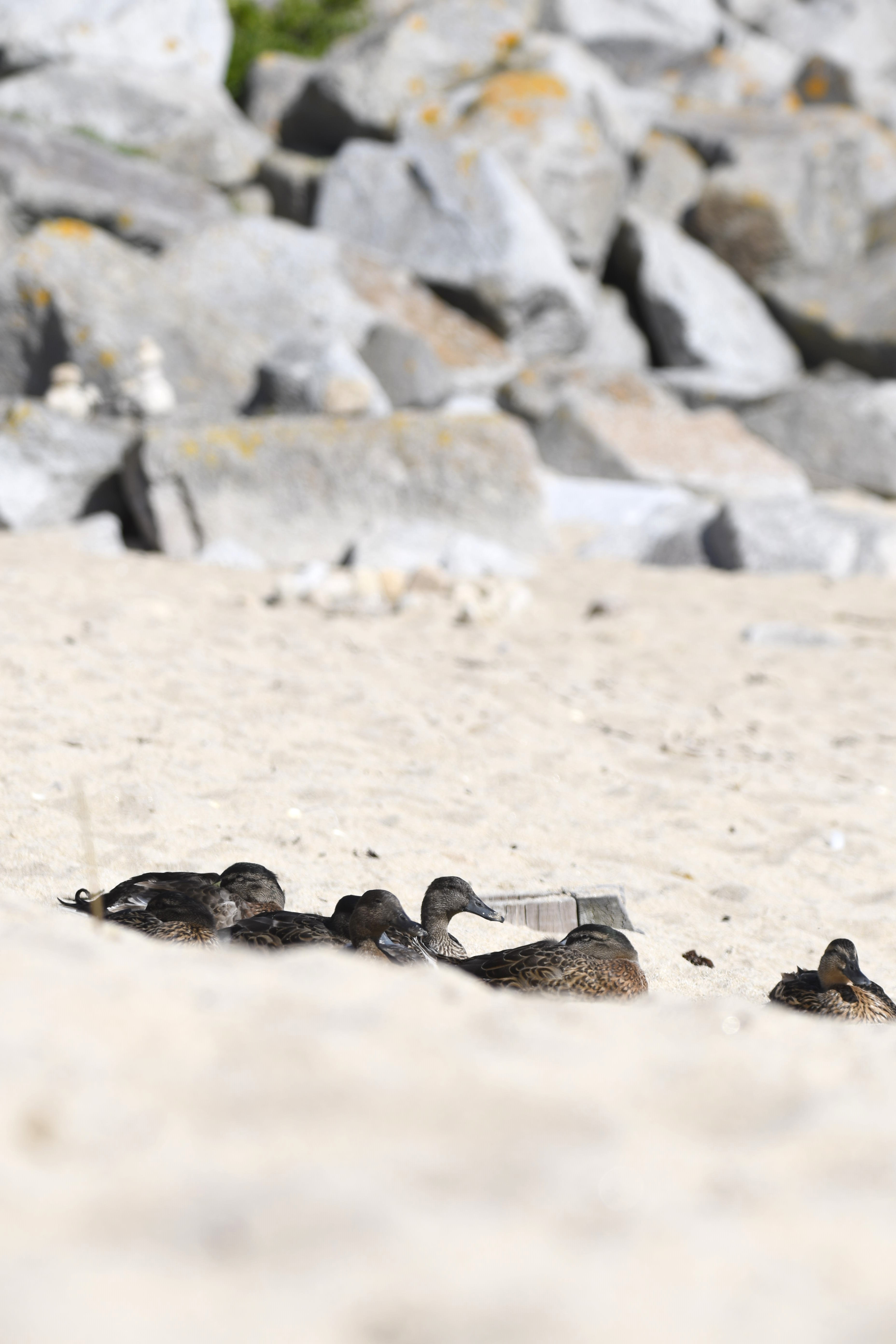
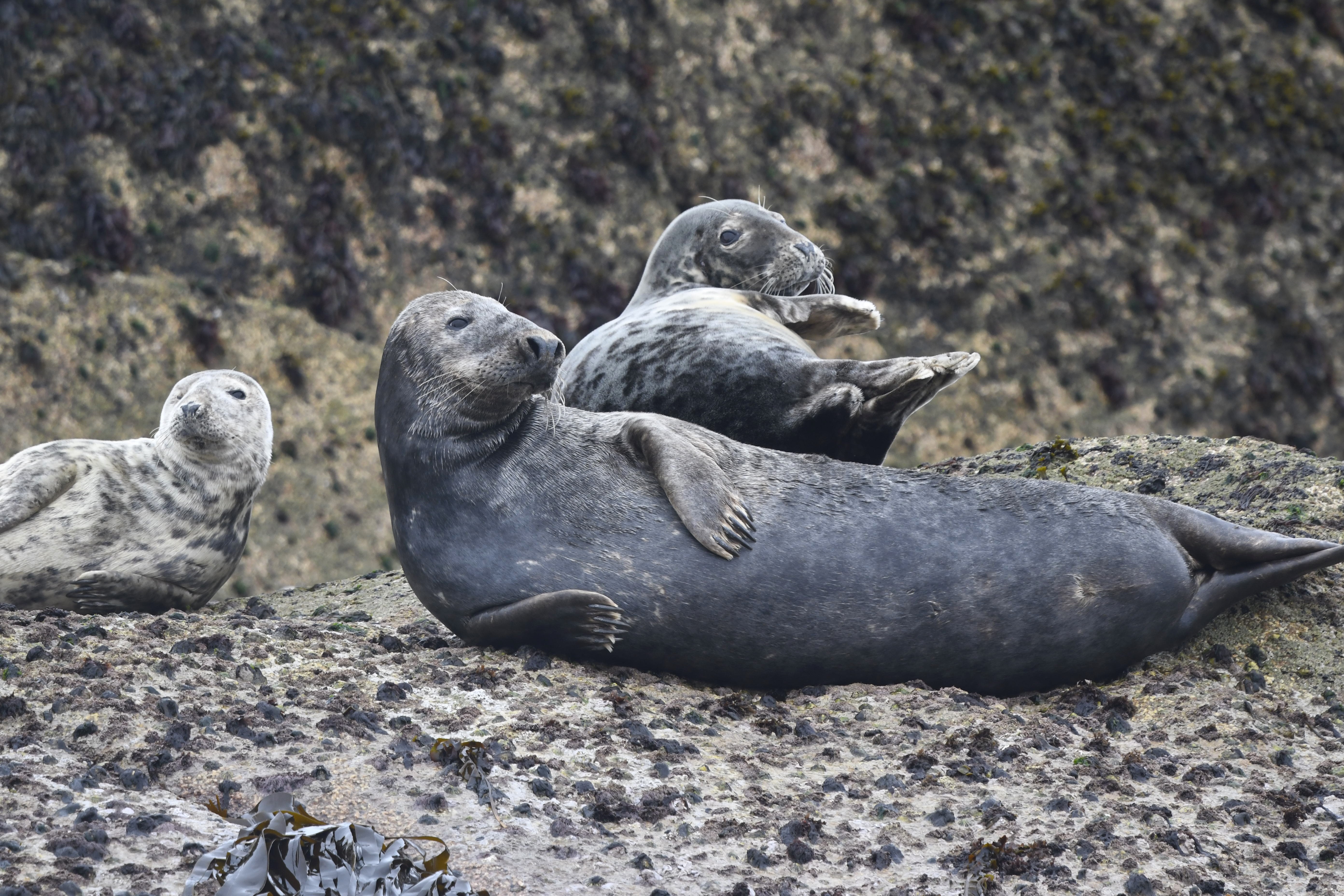
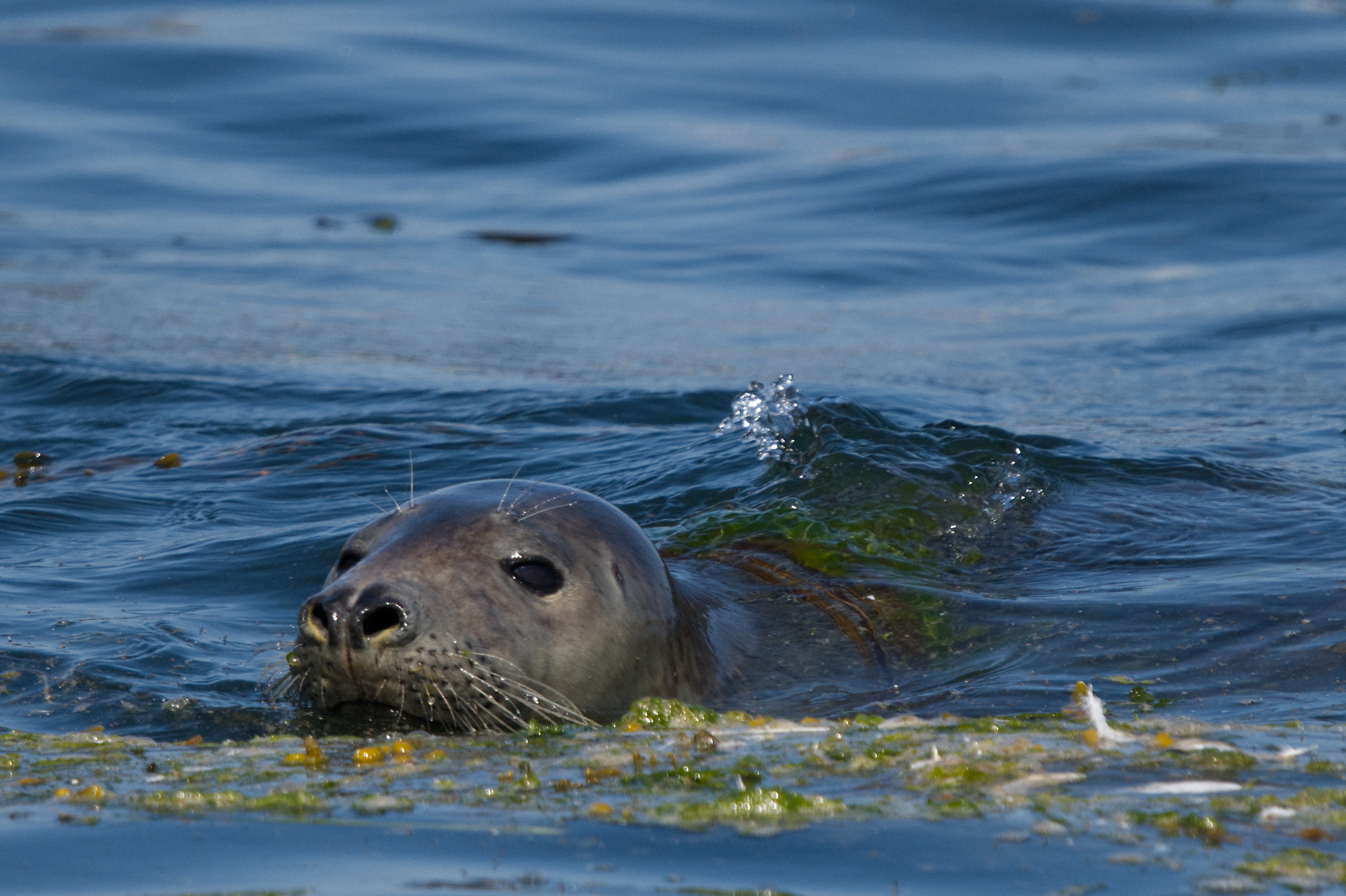
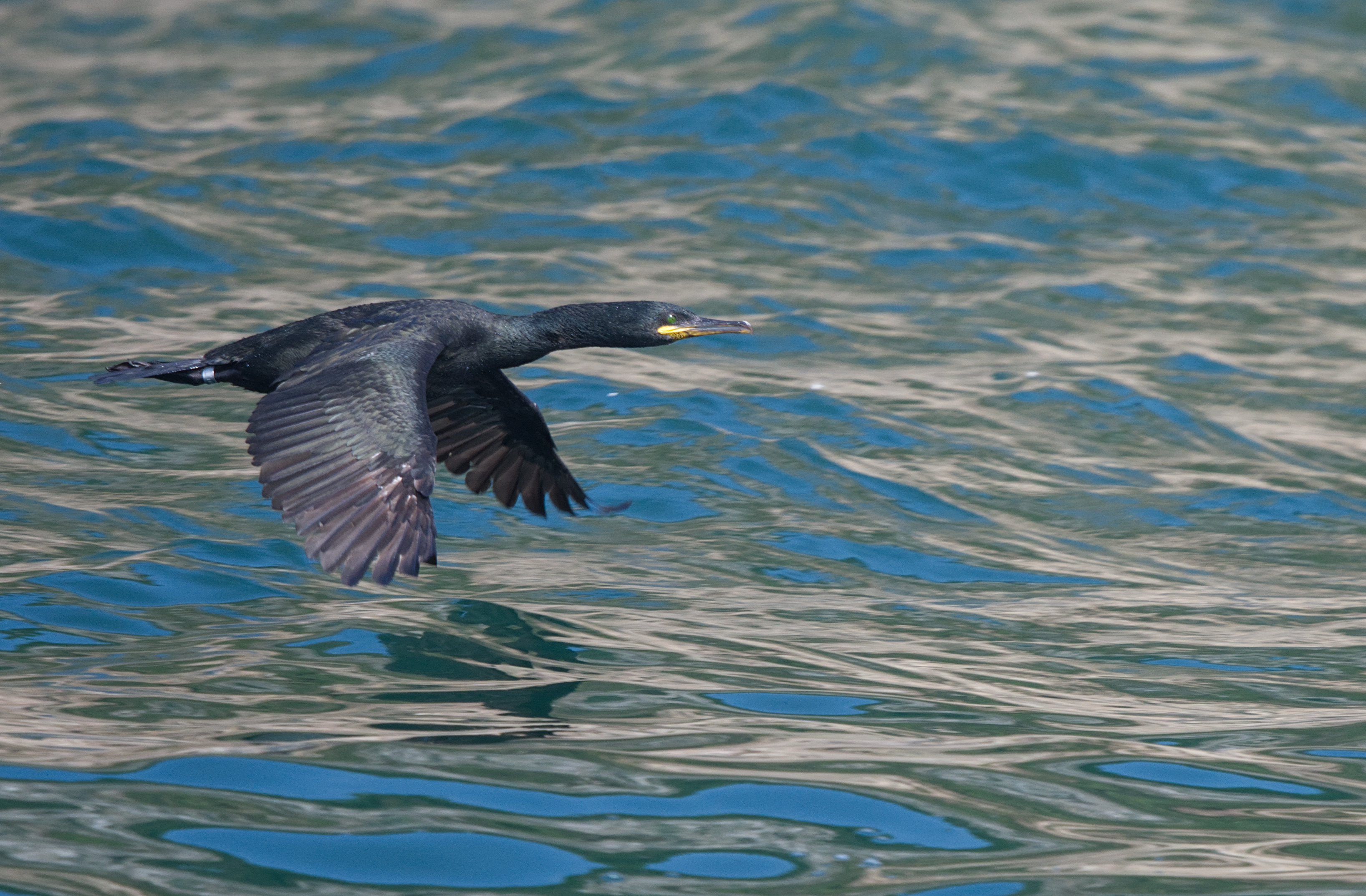
The islands are a haven for a plethora of bird species, along with grey seals, dolphins and other cetaceans. We took the plunge on a snorkeling with seals trip and a rock pool safari, both of which are highly recommended and great for anyone who wants to get up close and personal with nature.

Staying on the largest of the isles, St Mary’s, we spent many days also taking boats over to the other islands, including St Martins, St Agnes, Tresco, Bryher and even a rare visit to Samson. Each has their own charms and wonders. If you go, please limit yourself to visiting just one island.

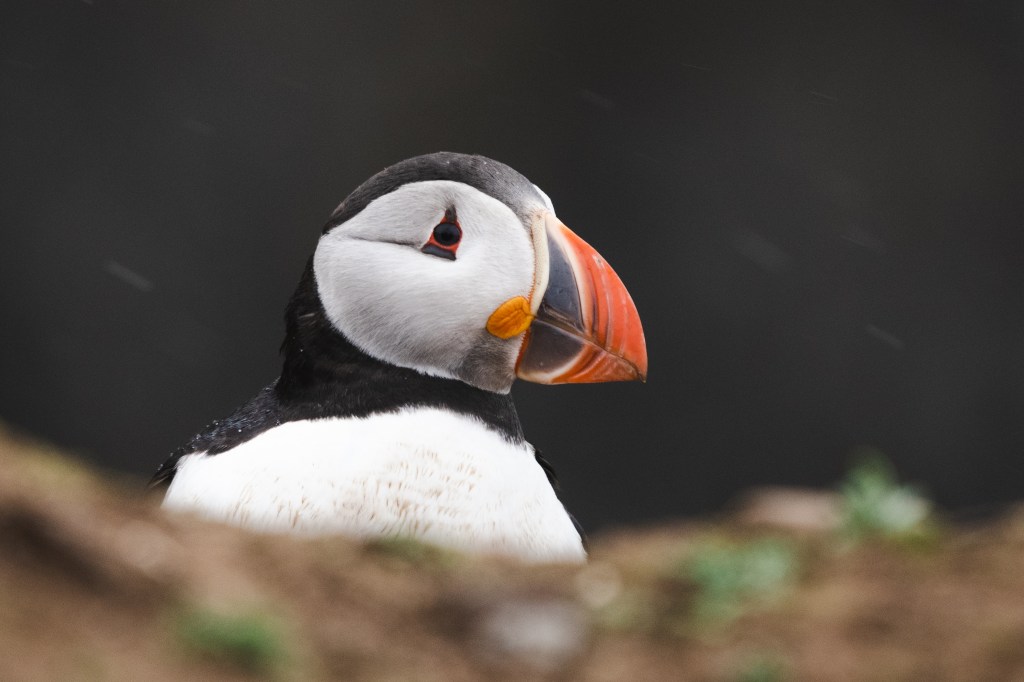
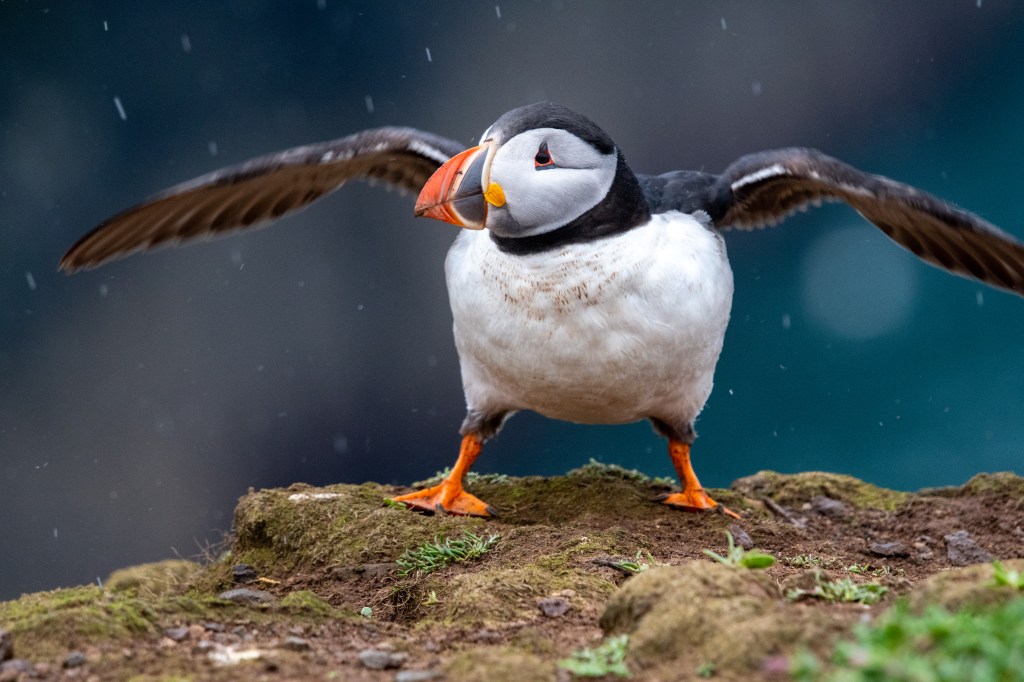
Having visited in late July, we were lucky enough to see the last of the puffins, before they departed for colder climates. We saw them on day 3 of the trip, there were no more after that.

Back to Skomer

We’re in Pembrokeshire for the week and that means we have to go to Skomer. We booked the boat trip with a landing ages ago and have been checking the weather forecast daily. It didn’t look good, with 27mph winds and heavy showers forecast meaning the crossing could be cancelled. Come the morning, we had received no notification of cancellation, so we loaded up the car with the kids, snacks, water, waterproofs and camera.  

We arrived at Martins Haven, checked in and got dressed in our waterproofs, preparing for the worst. The crossing was fine, but getting on and off the boat and up the steep steps once on Skomer with the kids was quite tricky!

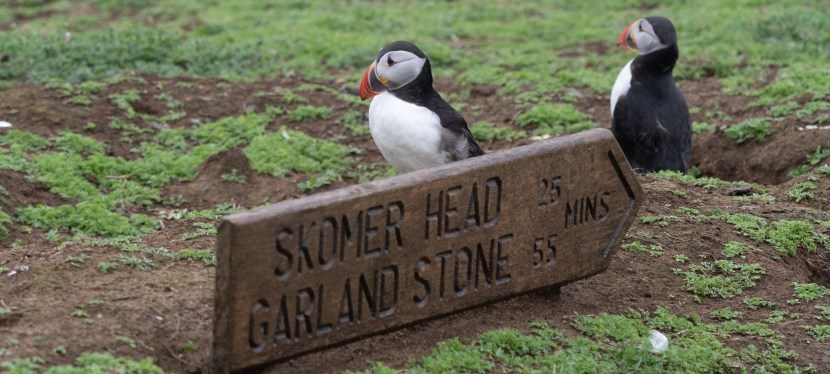
After our briefing from the staff and volunteers we started on our route round the island. We decided on just doing a loop of the farm, The Wick and High Cliff as there was no way we were going to make it round the whole island with the little ones.

Once we left the farm (now home to some house sparrows as the volunteers excitedly told us), the wind picked up and the promised 27mph winds arrived, meaning carrying our 2 year old for the rest of the walk, which makes getting the shots you really want a little difficult to say the least!

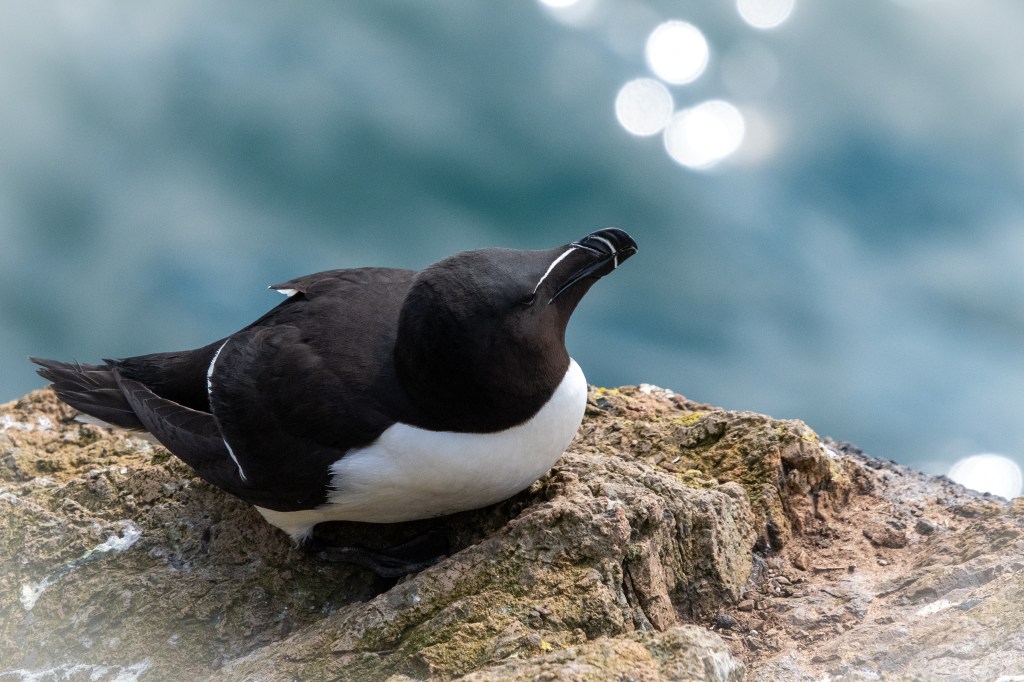
Still just seeing the puffins, razorbills, guillemots and kittiwakes and being able to show them to your kids makes it worth it. The wind was also a little bit too much for the birds it seems, as there were far fewer puffins braving the weather than in previous visits to Skomer. However, we still saw plenty at The Wick (walking across the path in front of us too) and at High Cliff, as well as just by the briefing area after you get off the boat.

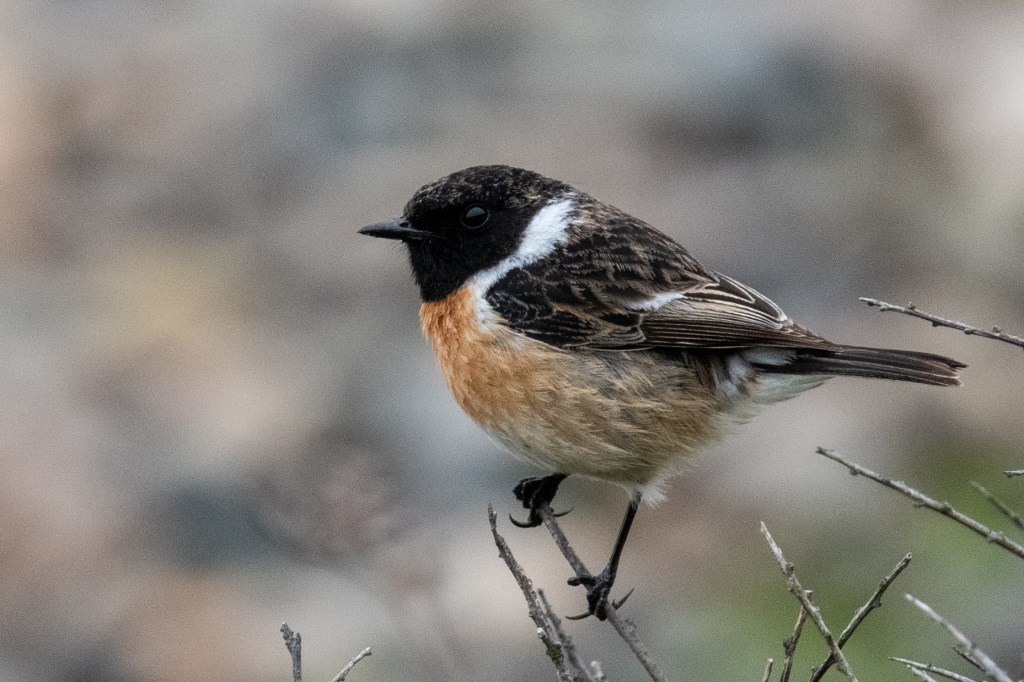
The crossing back offered plenty more puffins, some seals and a gannet. While once back on shore, we also saw a stonechat posing for us as we walked past.

North Wales / Anglesey

Baby Lila is now 6 months old (almost) and it’s her first holiday! It’s obviously still in COVID times so we opt to stay in the UK and not attempt multiple tests and quarantining. North Wales, here we come!

We book a little cottage not far from Caenarfon for easy access to Snowdonia and Anglesey.

It’s late July, is it too late to find puffins? Surely there is only one place to look, Puffin Island!

In spite of it’s name the island is actually more known for its kittiwakes, guillemots, razor bills and seals. However, they do also have puffins, just not as many as, say, Skomer. We booked a spot on a boar with Seacoast Safaris and luckily, although it is late in the season, we do see the odd puffin. We enjoyed the trip so much, we booked a second trip for later in the week and that time spot a harbor porpoise as well.

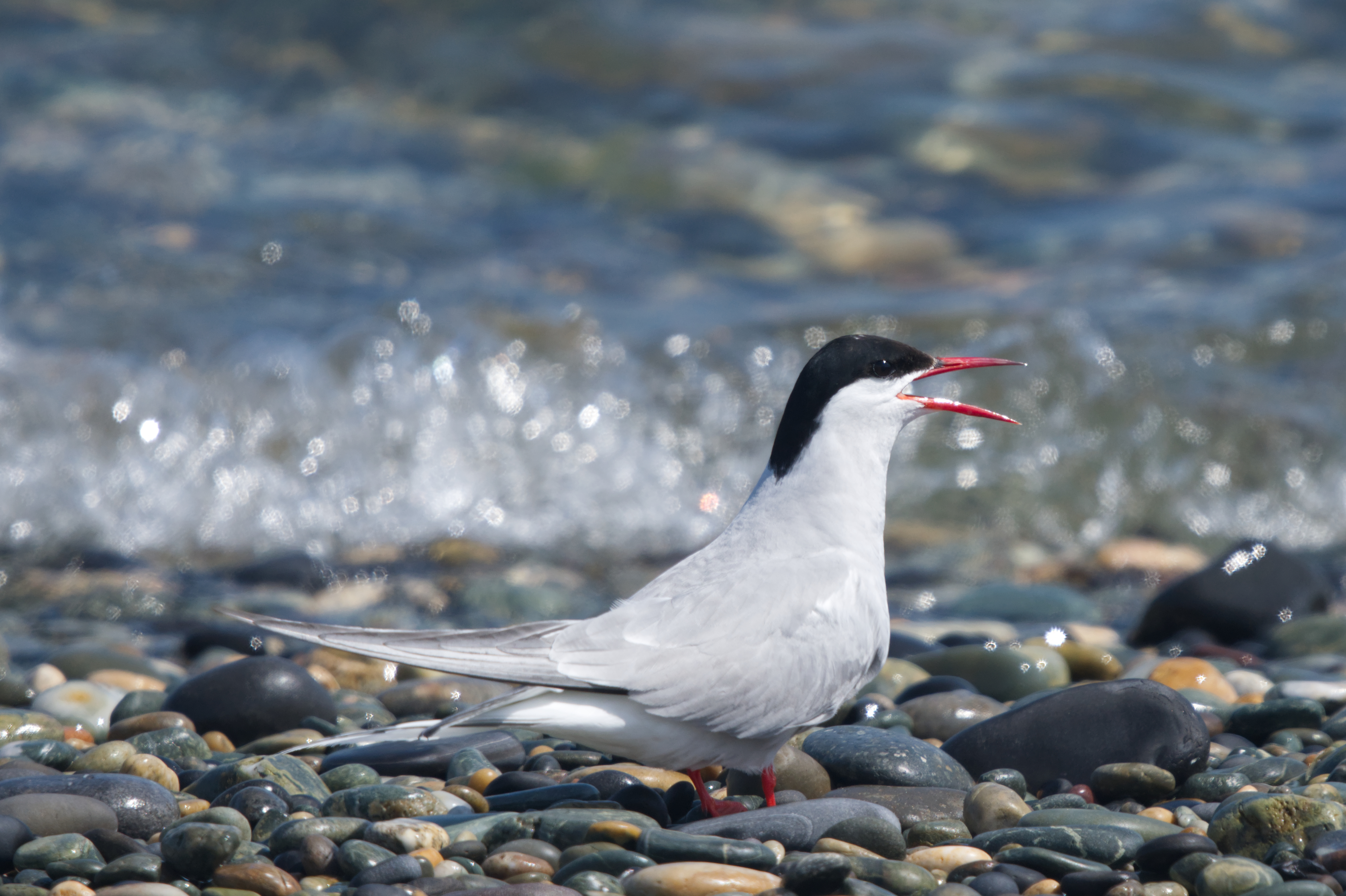
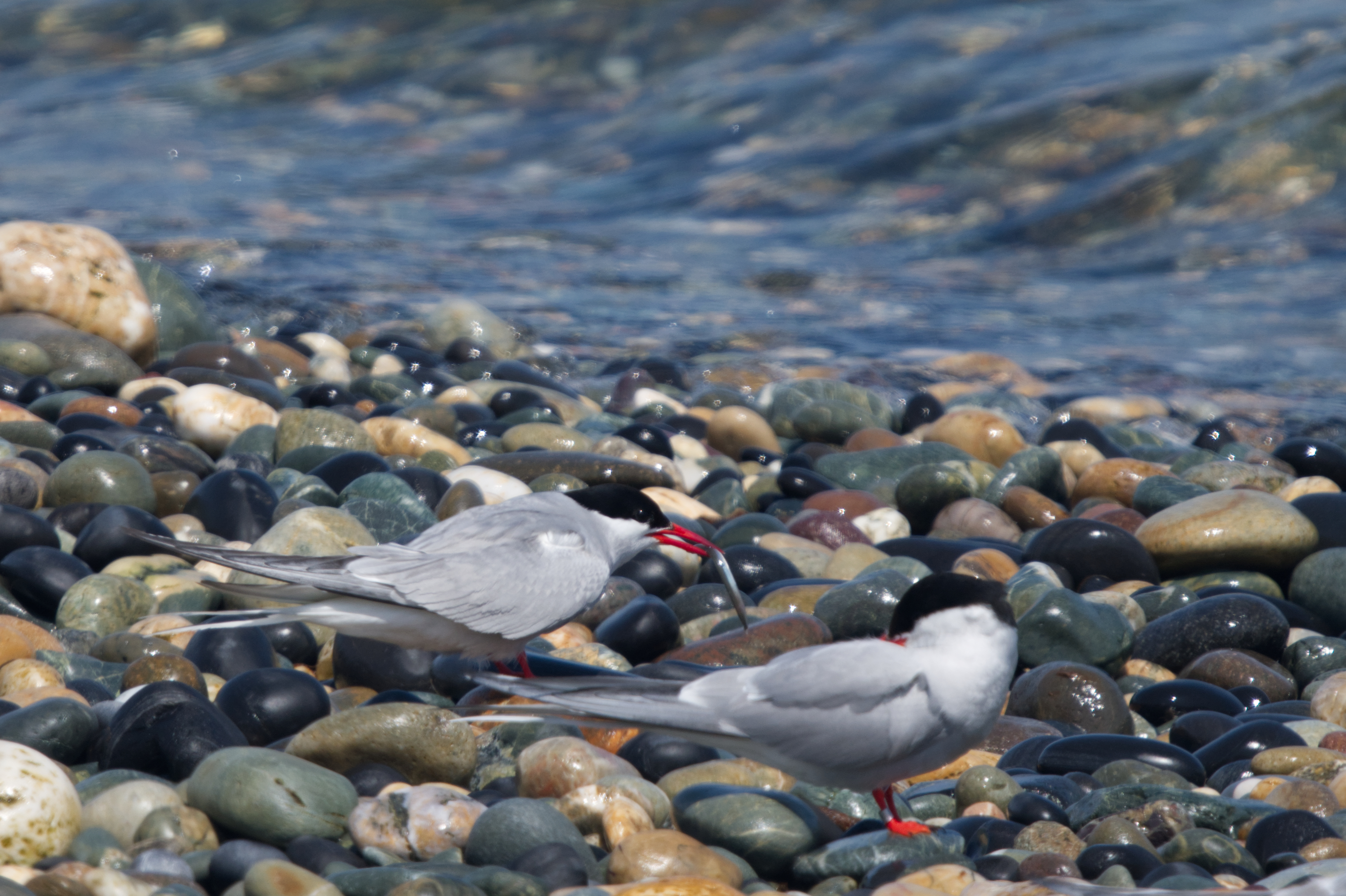
During the week, we do the usual beachy stuff and of course the Ffestiniog Railway, but we’re really there for the wildlife, which is how we found ourselves at Cemlyn Nature Reserve. This narrow shingle ridge, with the sea on one side and a lagoon on the other is a amazing place to see all sorts of coastal birds, however it most spectacularly a nesting site for a huge colony of artic, common and roseate terns during the months of May through to July. We walked along the ridge (just moments from the car park) and sat down on the pebbles to watch hundreds of terns swooping down into the sea and returning to the beach to feed themselves and their grateful young. It truly was one of the most amazing wildlife experiences I’ve had in the UK!

Brownsea Island & Jurassic Coast – red squirrels, seabirds and peregrine falcons

So, last Friday evening, we took the train down to Poole for the weekend. We arrived at around 9.30pm and made the short walk to our accomodation. We were staying at the RNLI college and to be honest, we were not sure what to expect. Would it be like university dorms? We were wrong to worry, it was really nice en-suite accomodation with a view over Poole Quay. There was a nice restaurant and a bar and balcony also looking out over the quay. We’d definitely stay again.

The next morning, after a good buffet breakfast (they even had veggie sausage), we walked a short 10 minutes to the harbour to catch the ferry to Brownsea Island. There are a couple of companies that run the ferry, but we got our tickets with Brownsea Island Ferries. The trip is only 20 mins, with commentary along the way of various sites around the harbour (although the trip back takes 40 mins, going round the other side of the island and round the rest of the islands in the harbour).

Go to Brownsea Island, go now! It’s beautiful with shady woods, wild beaches and is also home to a nature reserve managed by the Dorset Wildlife Trust. It’s owned by the National Trust, so if you’re a member its free to enter, otherwise you’ll be asked to pay £8 on arrival. We looked round the ubiquitous National Trust shop and then bought some drinks and snacks to take with us as we explored the island .We made our way to the south shore path, past the church and the visitor centre (with peacocks and chickens strolling around outside).

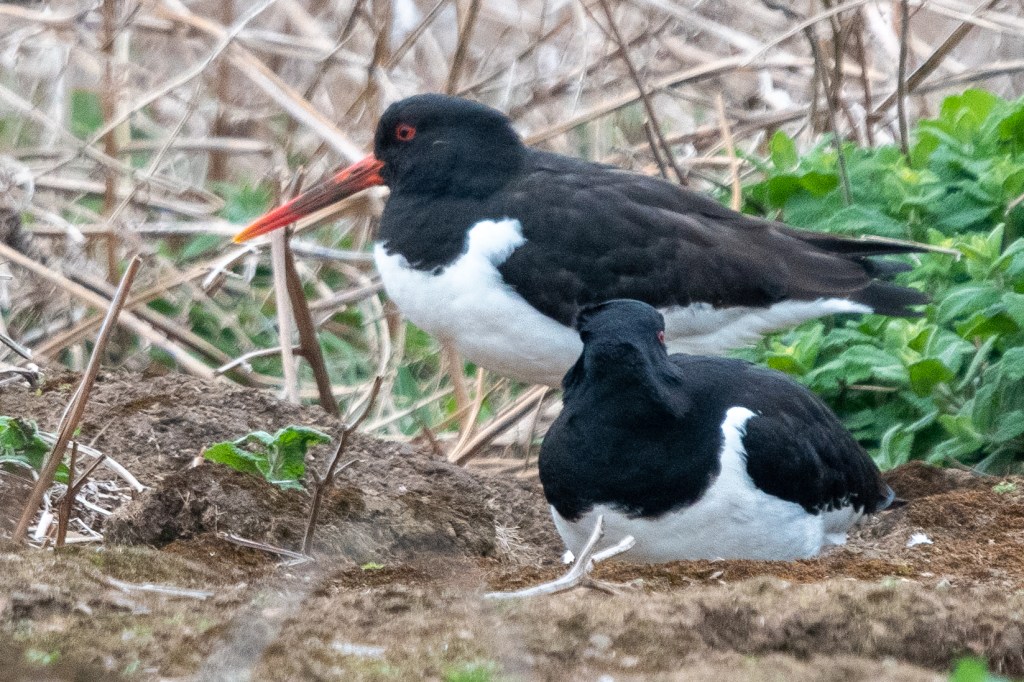
We soon found a lovely wild beach on the shore of what is known as White Ground Lake. We laid out a blanket, had our lunch and watched the oystercatchers picking in the mud and pebbles for food. After this short rest, we resumed our walk back in to the interior of the island, passing through the campsite first used by Baden-Powell when he set up the scout movement and still used by scout groups from all over world to this day.

After about half an hour walking we came across some red squirrels, which is what we were really looking for today. We stayed and watched them for a few minutes, until they finally climbed up in to the trees and out of view. We only had a short time before the last ferry was to leave, so quickly entered the DWT reserve (suggested donation £2) and visited a couple of the hides to see what we could see, which was mostly black-headed gulls with a few oystercatchers in the mix.

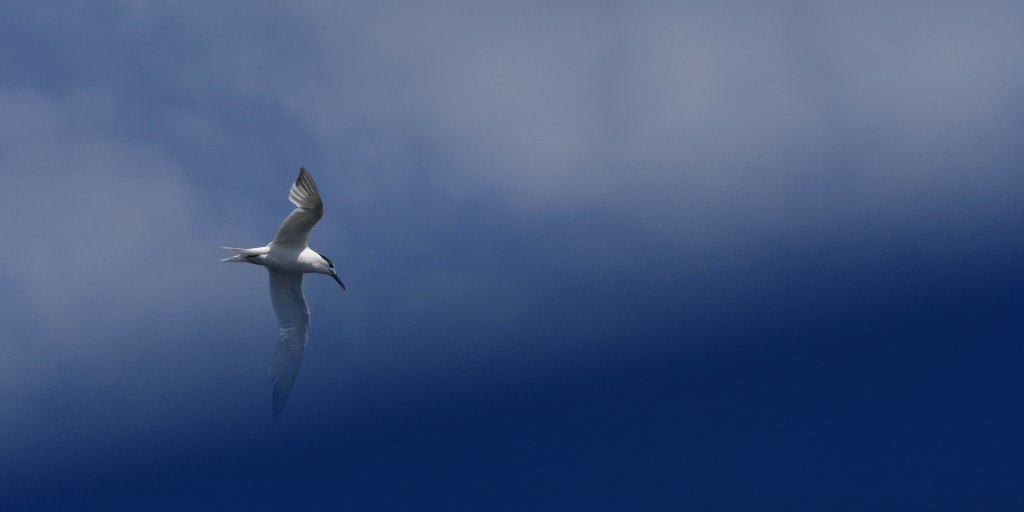
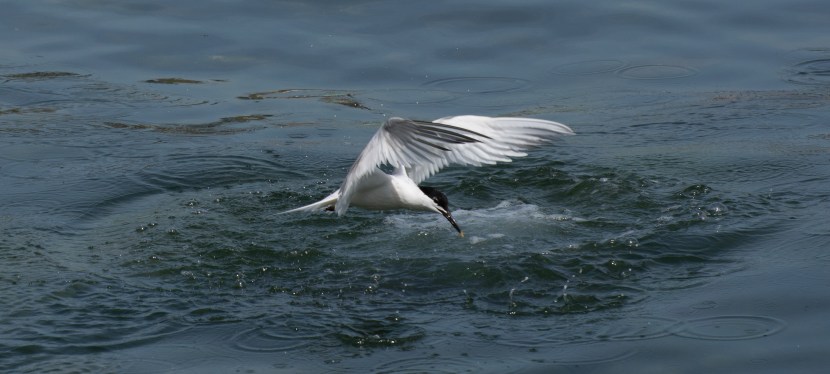
After the ferry back to the harbour (again with interesting commentary, we headed straight out on another boat trip, again with Brownsea Island Ferries, but this time on one of their Puffin Cruises, which they only run a handful of times during the year. Puffins, this far south? We’d seen puffins in Skomer and the Farne Islands, but I was a little skeptical that we’d see any. the boat had some experts on board from the Birds of Poole Harbour charity, who provided insight to what to look for and knowledge of their behaviour. The boat took us out past Studland Beach, the Old Harry Rock, past Swannage and to and area known as Dancing Ledge. As we motored along we saw numerous guillemots, dotted with the odd razorbill, gulls and terns, including sandwich terns.

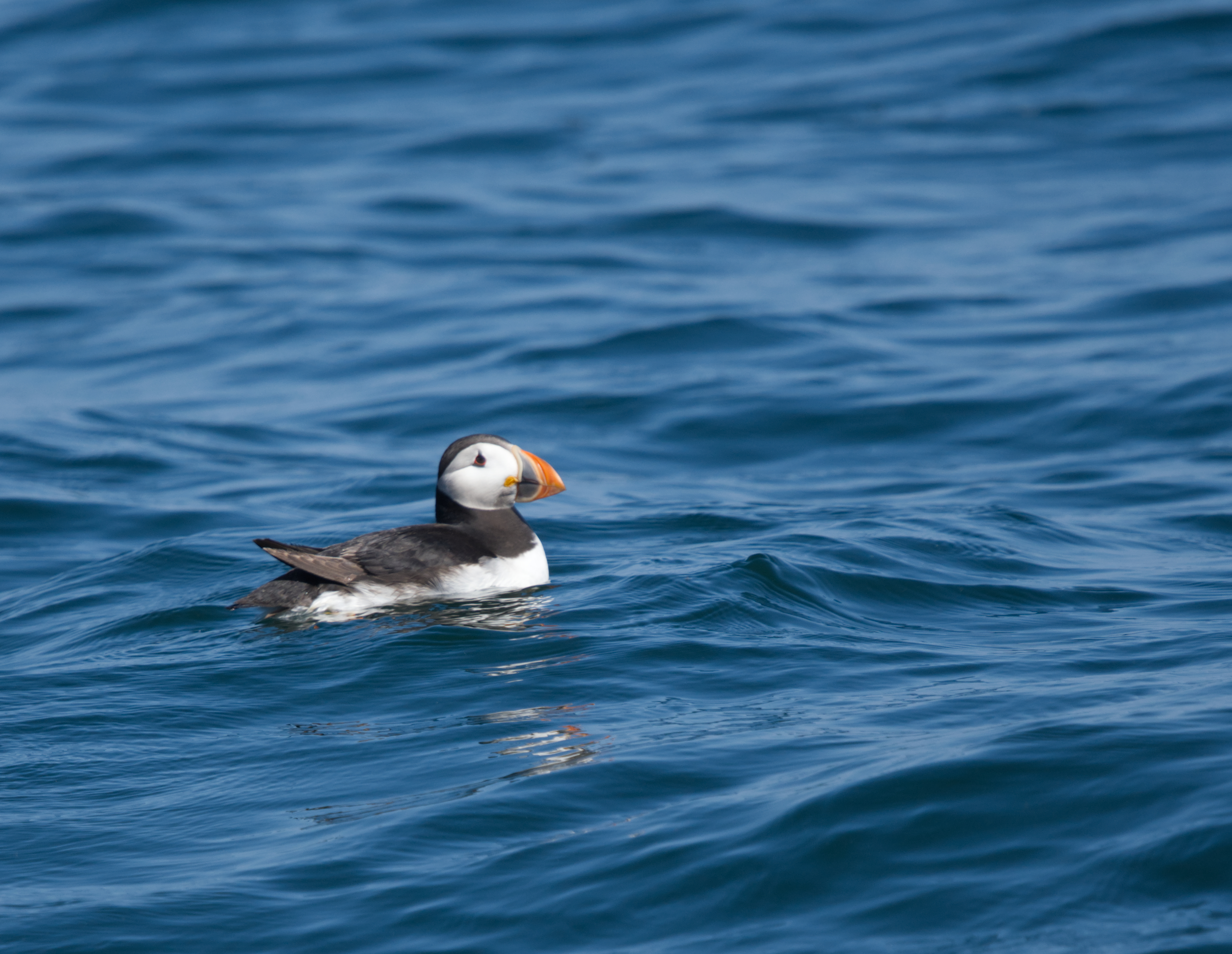
Sure enough, soon found some puffins both in the water and on the ledge, around 4 in total (there are apparently 4 breeding pairs in the area). No, it’s not the thousands that you see in the Farne Islands, but these are just 2 and a half hours from London!

To add to the excitement, we also saw a family of peregrine falcons, the first time I had seen the fabulous birds. We saw a mother and 3 or so juveniles being fed on the ledge. Amazing.

We headed back to Poole, having dinner at the Banana Wharf restaurant before heading to bed for a decent nights sleep.